5-ways Energy Recovery Ventilators (ERV) Matter.
Energy Recovery Ventilators (ERVs) serve as a pivotal enhancement to traditional HVAC systems for Cooke Industries, providing both energy efficiency and improved indoor air quality, which are crucial in New Zealand's diverse climate conditions. Here's how ERVs enhance HVAC systems:
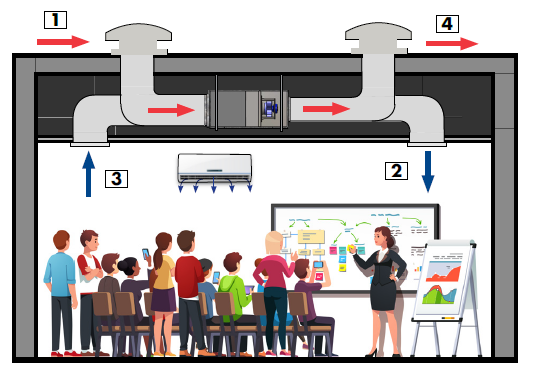
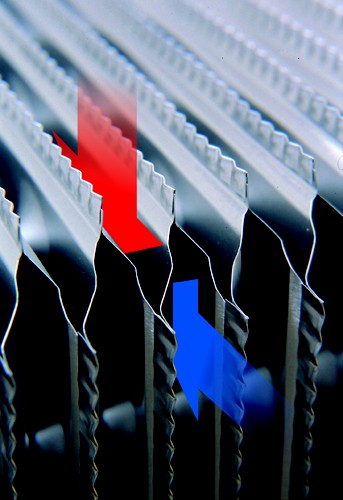
Energy Efficiency: ERVs recover both sensible (temperature) and latent (humidity) heat from the exhaust air. This dual recovery capability allows for significant energy savings, especially in regions with extreme weather conditions. By pre-conditioning the incoming fresh air with the heat or coolness from the outgoing air, ERVs reduce the load on HVAC systems. This means that during winter, the incoming cold air is warmed, and in summer, the warm incoming air is cooled before entering the HVAC system for further conditioning, leading to less energy required for heating or cooling.
Improved Indoor Air Quality: ERVs facilitate a continuous exchange of indoor and outdoor air, which is essential for maintaining good indoor air quality without the energy penalty of simply opening windows. They filter out pollutants, allergens, and excess moisture or dryness from the air. This aspect is particularly beneficial in New Zealand, where moisture levels can fluctuate, leading to issues like mold in winter or overly dry conditions in heated buildings during summer.
Humidity Control: Unlike traditional Heat Recovery Ventilators (HRVs), ERVs can also transfer moisture. This feature helps in maintaining optimal humidity levels year-round, which is vital for comfort and health. In humid climates, ERVs can remove moisture from incoming air, reducing the workload on dehumidification systems. Conversely, in dry conditions, they can add moisture to incoming air, which is beneficial for preventing issues like dry skin, respiratory discomfort, and static electricity.
System Sizing and Comfort: By reducing the energy required for conditioning the ventilation air, ERVs allow HVAC systems to be downsized, which can lead to initial capital cost savings. This also means quicker response times to temperature changes within buildings, enhancing occupant comfort.
Environmental Impact: For Cooke Industries, integrating ERVs supports their sustainability goals. By reducing energy consumption, ERVs help lower the carbon footprint of buildings, aligning with New Zealand's environmental commitments.
In conclusion, ERVs are not just an add-on but an integral part of modern HVAC design, especially in a market like New Zealand where energy efficiency and comfort are paramount. Cooke Industries can leverage these systems to offer solutions that are both efficient and environmentally friendly, enhancing the overall performance and appeal of their HVAC offerings.